
OnlyFans and Prepaid Cards: What Works in Practice
Using a prepaid card on OnlyFans is a practical question for anyone who wants to keep spending separate from a main bank account. Free pages cost nothing to follow, but messages, tips, and pay-per-view unlocks still move money, so the card behind the account matters more than most people expect. This article explains when prepaid and virtual cards genuinely help a subscriber on free pages and when they cause more friction than value.
A free page simply means the subscription price is set to $0. The creator earns through pay-per-view messages and tips instead. That model removes the monthly charge but keeps a payment method on file, because the platform still needs a way to process optional purchases.
Most guides about card behaviour focus on paid subscriptions, where the paid range runs from $4.99 at the minimum to $49.99 at the maximum, with typical paid pages sitting between $4.99 and $15 and an average of $5 to $10. Free pages sit outside that range but inherit the same payment plumbing.
Why subscribers try prepaid cards
The appeal is straightforward. A prepaid card caps exposure at whatever balance you load, so a forgotten renewal cannot reach your salary account. People also use them to keep a subscription name away from a shared family card or a card tied to a joint account.
On free pages the logic shifts slightly. There is no recurring subscription to contain, but there are tips and unlocks that can add up quickly across several creators. A prepaid card turns those optional purchases into a fixed budget.
Not every signal points the same way, though. The table below sets a clear good example against a poor one for each common situation.
| Signal | Works well | Works poorly |
|---|---|---|
| Spending control | A loaded balance that matches your monthly budget | A card with an unlimited top-up habit attached |
| Account separation | A card not linked to your main current account | A card shared with a partner or family member |
| Verification | A card that supports small temporary holds | A card that declines any authorisation request |
| Refunds | A card issuer that returns funds to the card balance | A card that cannot receive incoming credits |
How verification holds behave on prepaid
Even a zero-dollar signup can trigger a small temporary hold from the payment processor. The hold is an authorisation check, not a charge, and it is released once the check completes. Some prepaid cards reject that request outright because they treat any authorisation as a purchase attempt.
The order of steps matters, and doing them out of sequence is the most common reason a signup fails on the first attempt.
- Load the card with more than the expected hold amount before you begin.
- Check that the card allows online and international transactions.
- Enter the card details exactly as printed, including the billing address on file.
- Wait for the authorisation to clear rather than retrying immediately.
- Confirm the hold has been released before you top up again.
- Keep the same card on file if you plan to unlock pay-per-view content later.
Practical tip: never run a signup on a card with a near-zero balance. A declined authorisation can flag the account and make the next attempt harder, even when the subscription itself costs nothing.
Common failure points
Failures on prepaid cards are usually predictable rather than mysterious. They cluster around four issues, and each one has a workaround that costs less than opening a new bank account.
- Insufficient balance for a hold, because the card has just enough for the purchase but not the authorisation buffer.
- Cards that block adult merchants by default, which stops the transaction before it ever reaches the platform.
- Slow top-ups, where the balance arrives hours after you needed it.
- Cards that cannot receive refunds, so a reversed charge disappears instead of returning to your balance.
Each of these is a property of the card issuer, not of the platform. Reading the card terms before signup saves more time than troubleshooting afterwards.
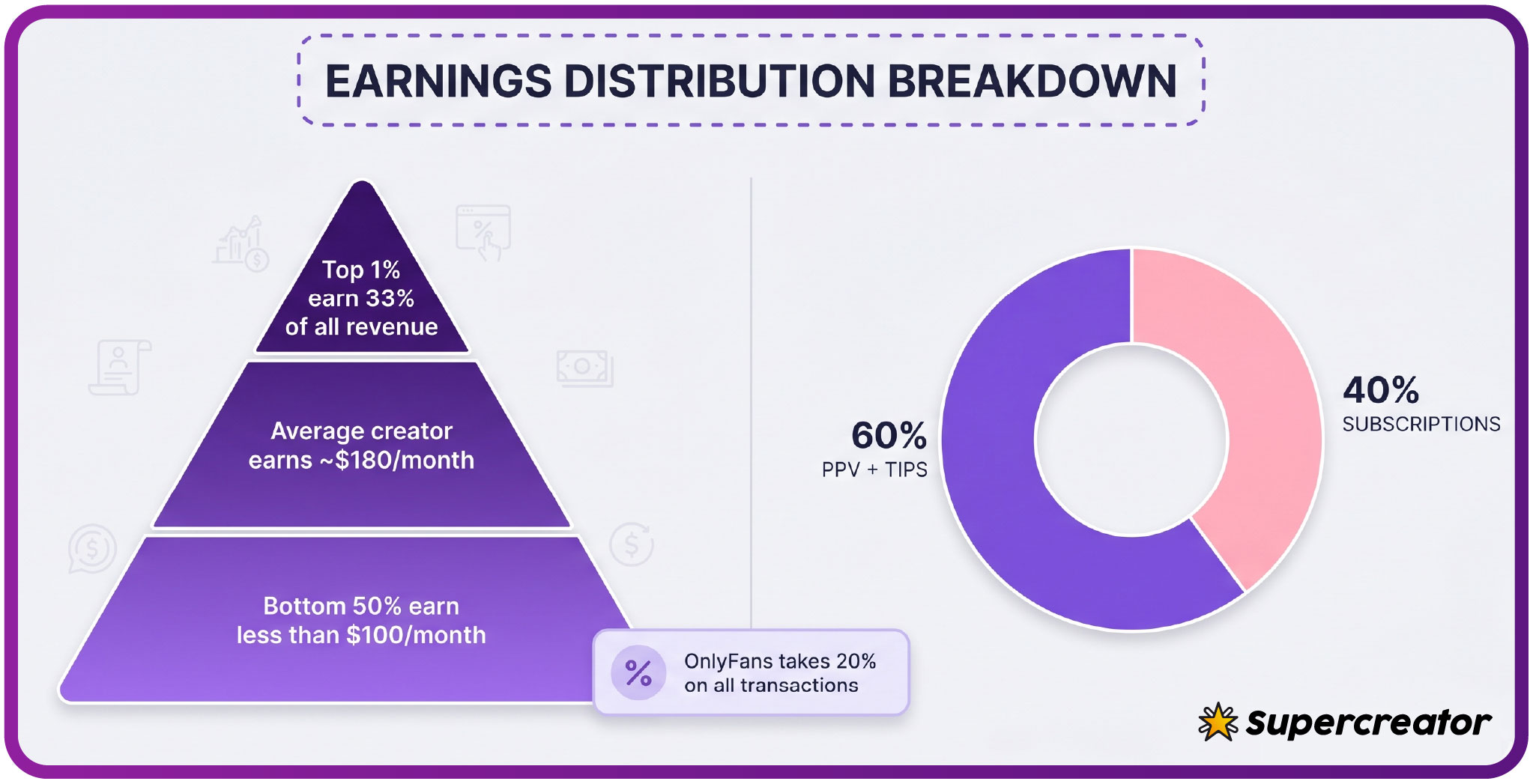
The platform fee structure is worth remembering here. A 20% fee applies to everything, including subscriptions, tips, and pay-per-view, and the creator keeps 80%. That split does not change because of your card, but it explains why small unlocks still carry real cost.
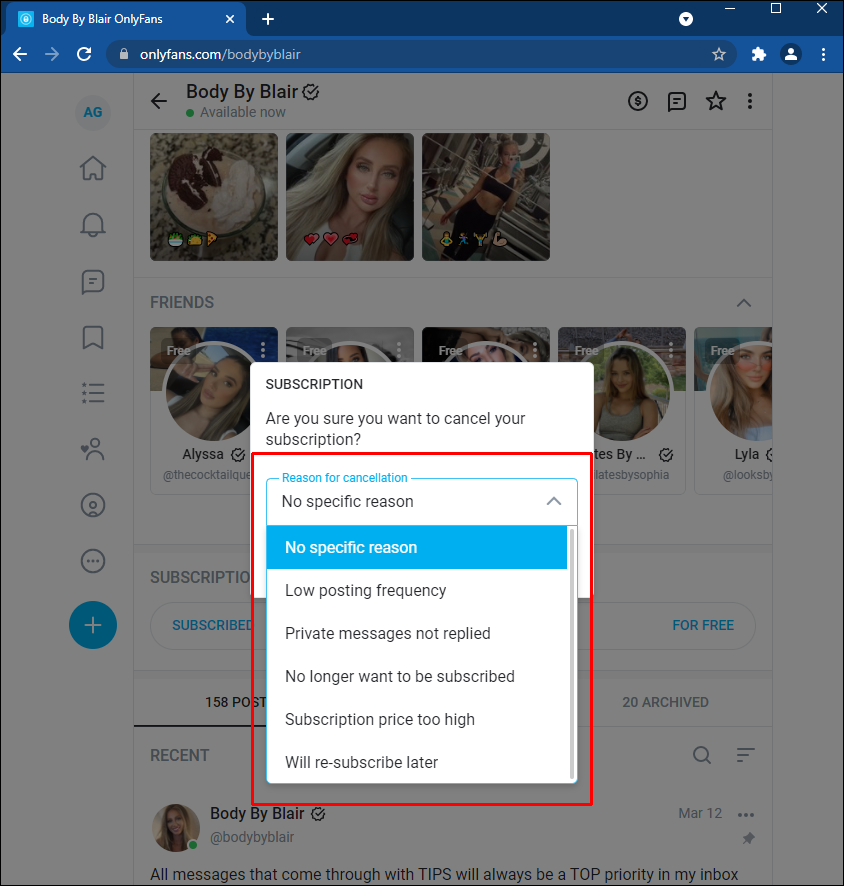
Prepaid versus virtual versus normal cards
The three card types behave differently in ways that rarely appear in marketing copy. The comparison below covers the three areas that decide most support tickets.
| Card type | Verification behaviour | Refund handling | Everyday convenience |
|---|---|---|---|
| Prepaid | Usually fine if a balance buffer exists; some issuers block holds | Often returns to card balance, sometimes not supported | Requires manual top-ups and balance checks |
| Virtual | Generally accepted, issued by banks or fintechs | Returns to the linked account | Fast to create, easy to freeze or replace |
| Normal debit or credit | Rarely an issue | Standard dispute process | No top-ups needed, works everywhere |
Top-up timing that avoids declines
Timing is the least glamorous part of card management and the one that prevents the most failures. A balance that arrives after a charge attempt is worth nothing to that attempt. For a starting point, onlyfans free no verification collects free pages.
If you follow paid pages as well as free ones, plan around the renewal date rather than the purchase moment. When a creator raises the subscription price, auto-renew stops and existing access lasts until the current paid period ends, which gives you a clear window to decide whether to continue.
Typical monthly costs look like this for a subscriber mixing free pages with occasional paid ones.
- Free pages: $0 in subscription charges, with spending limited to tips and pay-per-view.
- Entry paid pages: $4.99 to $15 per month, the most common band.
- Average paid page: $5 to $10, which is where most subscriptions land.
- Upper paid pages: up to $49.99 at the maximum, though these are a minority.
- Occasional unlocks: variable, since pay-per-view is priced per item.
Warning: a promotional first month can dip below $4.99, but no standard subscription sits under that minimum. Treat any offer below it as promotional and check what the price becomes afterwards.
Privacy trade-offs to weigh
Privacy is the main reason people reach for prepaid cards, and it is also where expectations most often exceed reality. A card reduces exposure in some areas and adds friction in others, particularly when something goes wrong.
Because the platform has no built-in discovery feed or directory, subscribers usually arrive through ranking sites and link lists rather than browsing inside the app. That is why services such as BestOnlyFans exist, and it also means most signups begin from an external link rather than a search inside the platform.
- Whether the card is registered to your name affects how easily a dispute can be raised.
- A card in your name gives you a stronger position if a charge is genuinely unauthorised.
- A fully anonymous card can make dispute resolution slower or impossible.
- Billing descriptors on statements still appear, even when the card is prepaid.
- Refunds to an anonymous card can be lost if the card is later discarded.
The practical result is a trade between separation and recourse. You can have distance from your main account, but a thin paper trail works against you when you need a charge reversed.
For subscribers who mainly follow free pages, the risk is small because there is no recurring charge to dispute. For anyone tipping regularly, the calculus changes, and a card tied to a real identity becomes more useful. A service like BestOnlyFans can help you find pages worth following, but it cannot fix a card that refuses authorisations. Sorting out the card first is the sensible order of operations.
A simple rule for choosing
The rule is short. If you only follow free pages and never tip or unlock, a card with a small loaded balance is enough, and the setup is worth the effort. If you pay for subscriptions or unlock content regularly, a standard debit or virtual card from a bank causes fewer declines and handles refunds properly.
A middle path also works. Use a virtual card issued by your bank as a buffer between your main account and the platform, set a spending limit on it, and keep the card details stable. That gives most of the separation of prepaid without the top-up timing problems.
Whichever route you take, these are the mistakes worth avoiding.
- Signing up with a near-empty prepaid balance and retrying repeatedly after a decline.
- Discarding a prepaid card that still has a pending hold or a possible refund attached.
- Assuming a card that works in shops will also clear an online authorisation hold.
- Topping up minutes before a renewal instead of the day before.
- Ignoring a price rise and losing auto-renew without noticing.
- Choosing a fully anonymous card and then needing to dispute a charge.
Reviewed against the platform’s own limits, the choice stops being about privacy slogans and becomes a simple question of how much you actually spend. Free pages make prepaid cards easy to justify. Regular spending makes them harder to defend. Being honest about which subscriber you are settles the decision faster than any comparison table. BestOnlyFans refreshes its rankings every month.
FAQ
Can I use a prepaid card on a free OnlyFans page?
Yes, and a free page means the subscription price is set to $0, so the card is only used for optional tips and pay-per-view unlocks. The card still needs to clear a small authorisation hold at signup.
Why was my prepaid card declined during signup?
Most declines come from an insufficient balance buffer for the temporary hold or from an issuer that blocks online and adult merchant transactions. Checking both before retrying saves time.
Do I need to top up before every charge?
Only if the card has no stored balance. Renewals and unlocks fail when the balance arrives after the charge attempt, so topping up a day early avoids most declines.
Is a prepaid card better than a normal card for privacy?
It separates your spending from a main account, but an anonymous card weakens your position in a dispute. A bank-issued virtual card with a set limit is a reasonable compromise.


![Windows-Hello-For-Business-Active-Directory[1]](https://maciejrebisz.com/wp-content/uploads/2025/08/Windows-Hello-For-Business-Active-Directory1-1024x576-65x65.png "Windows-Hello-For-Business-Active-Directory[1]")